إمكانية الوصول إلى الجامعات في ماليزيا: جرّب مسارًا دراسيًا حقيقيًا قبل التسجيل
A campus map can show that two buildings are close without telling you whether you can get from one class to the next. A student comparing university offers in Malaysia might need to know where the usable entrance is, how to find a classroom late in the day, or who can help with a class change. Rather than asking whether a campus is accessible in general, build one ordinary day from the timetable and ask about the obstacles that could stop that day from working.
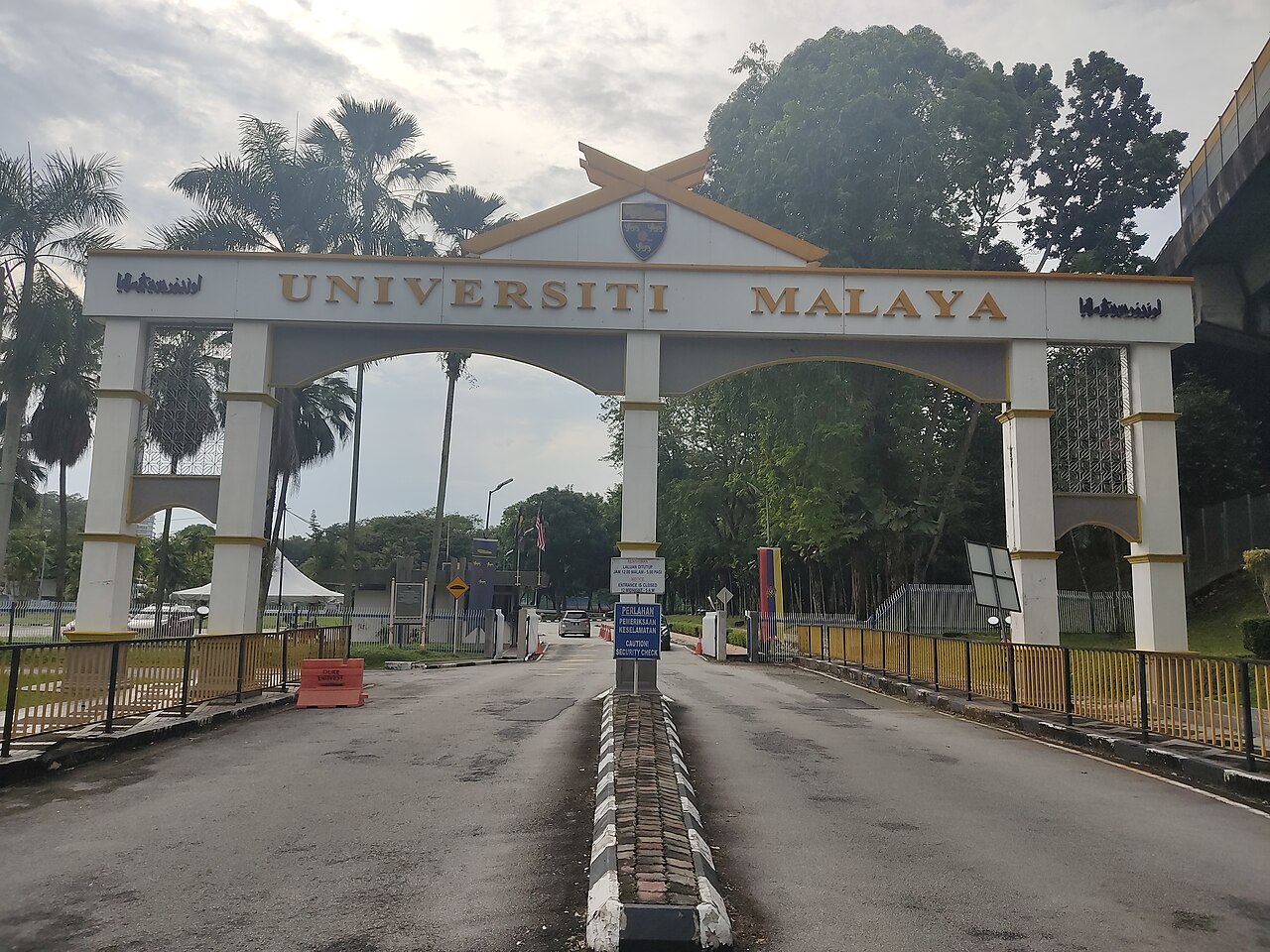
Universiti Malaya, for example, publishes information on disability-related support through its Student Affairs Department. It is a starting point for questions, not a promise that a particular route, service or adjustment is available to every student. If you are considering another university, look for that institution’s own support team and relevant academic unit.
Walk through a Monday on paper
Imagine Asha, a fictional student who uses a mobility aid and is planning to commute in Kuala Lumpur. Her proposed Monday has a lecture, a tutorial in another building and a laboratory briefing in the afternoon. She draws the route from her arrival point to the first class, then between each class and the next. At each step she marks one of three things: a route she has independently checked, a route somebody has described, or a gap where she needs more information.
Asha’s first question is not “Are there ramps?” It is, “From the drop-off point to this tutorial, which doorway is open at 8.30, and which route avoids the steps between the two blocks?” She also asks what happens on a wet morning and whether using a longer route leaves enough time for the next class. If a visit is possible, a staff member can help identify the relevant entrance. If not, a current map, clear directions or a short authorised walkthrough may answer part of the question. Keep unknown facts labelled as unknown until someone can confirm them.
Ask about what happens inside the room
Finding the building is only one part. Asha wants to know how to reach an appropriate desk for practical work and who can explain laboratory arrangements before the first session. Another student might need to know how class instructions are shared or whether the microphone setup makes discussion usable. Be as specific as you want to be about what will help, without sending personal documentation to an unfamiliar address. Use the institution’s official instructions to learn which staff member handles a request, whether documents are needed and how to submit them privately.
For Asha, the academic unit might be able to name the room and plan practical activities, while the university’s support team can explain how to request and follow up on any arrangements. Do not assume one message automatically reaches both teams. Ask which office owns each decision and when you are likely to hear back.
Make a fallback for one change
Suppose the tutorial room changes on the second day and the original route no longer applies. Asha asks where room changes are announced and whom to contact if she cannot use the new entrance. She keeps the course code and relevant office details handy. Her fallback is not “I will just be late”; it is a clear way to get information early and ask the academic team what to do if the route does not work.
If a class or support arrangement has not yet been confirmed, label it as pending. It is easier to ask for an update on one specific item than to reconstruct a chain of emails during orientation. A parent or friend can help review the map or time the transfer, while the student decides what to share and which arrangements matter most.
By the end, keep one page with a route, the key class details, the person responsible for each unanswered question, and a fallback if something changes. It will not answer every question about a university. It can show whether the first week is workable and what still needs attention before it starts.