Give pupils a Teachers’ Day role that doesn’t require a stage
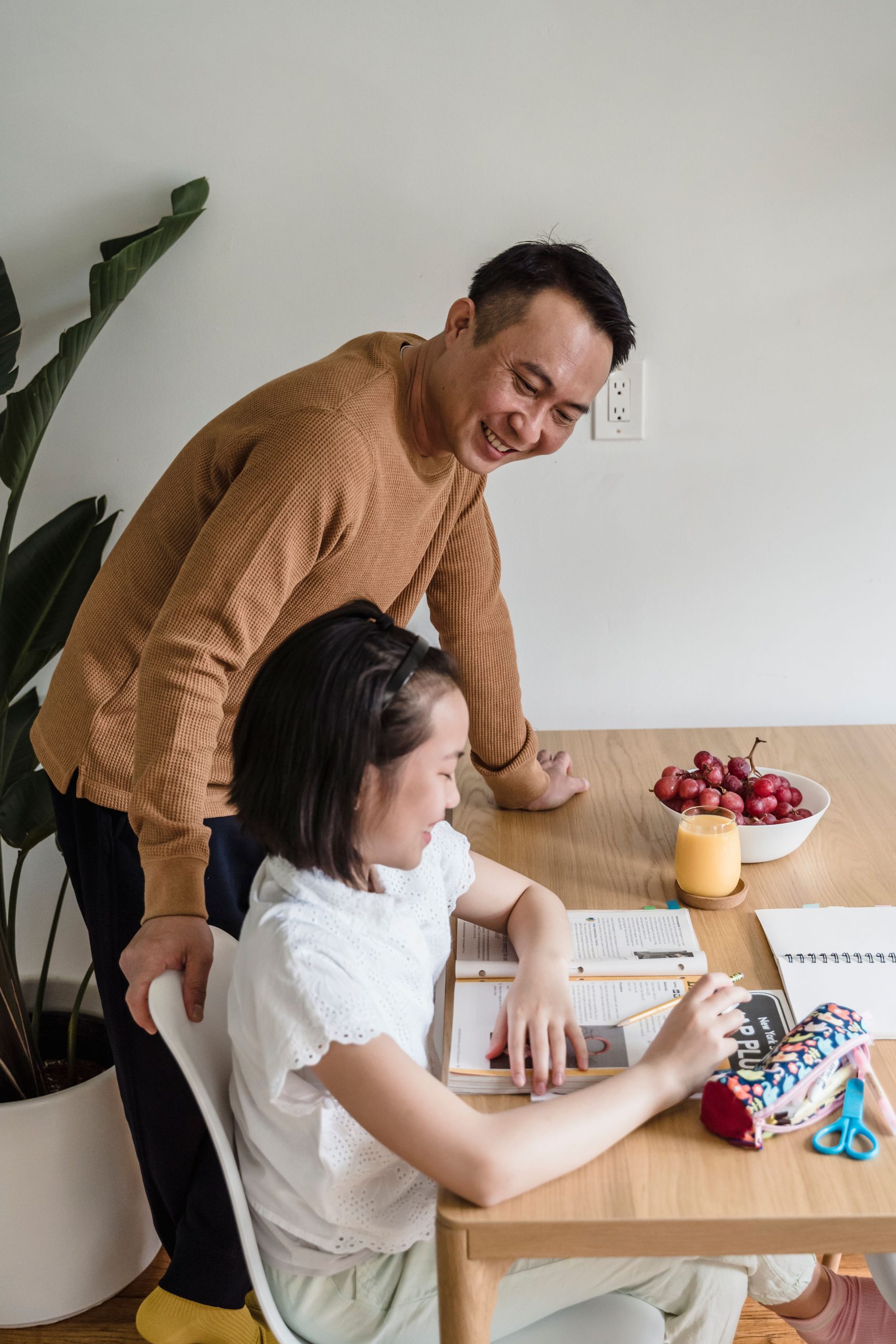
When a class in Malaysia plans a Hari Guru celebration, some pupils want to sing or act. Others would rather help quietly. A class thank-you card can make room for both groups without asking anyone to buy a gift, appear in a recording or read a message publicly. The useful challenge is to write something a teacher can recognise, not to see which pupil writes the longest compliment.
Cikgu Hailmi’s collection of Teachers’ Day performance ideas gives examples ranging from spoken pieces to music and drama. A short written activity can serve as a separate option for pupils who don’t want a performance role. Ask the class teacher or the supervising teacher how the class may share the finished card. The activity can remain on paper or be run as a simple writing lesson even if there is no celebration planned.
Find one teaching action the class can describe
Start by asking pupils to remember one classroom moment when instructions became clearer. They might remember a teacher showing two different ways to draw a fraction, offering a second example in Bahasa Melayu or waiting while a group worked out a question. Nobody has to write about private support, results, discipline or family circumstances. The best example is a small one that can be explained without naming another student.
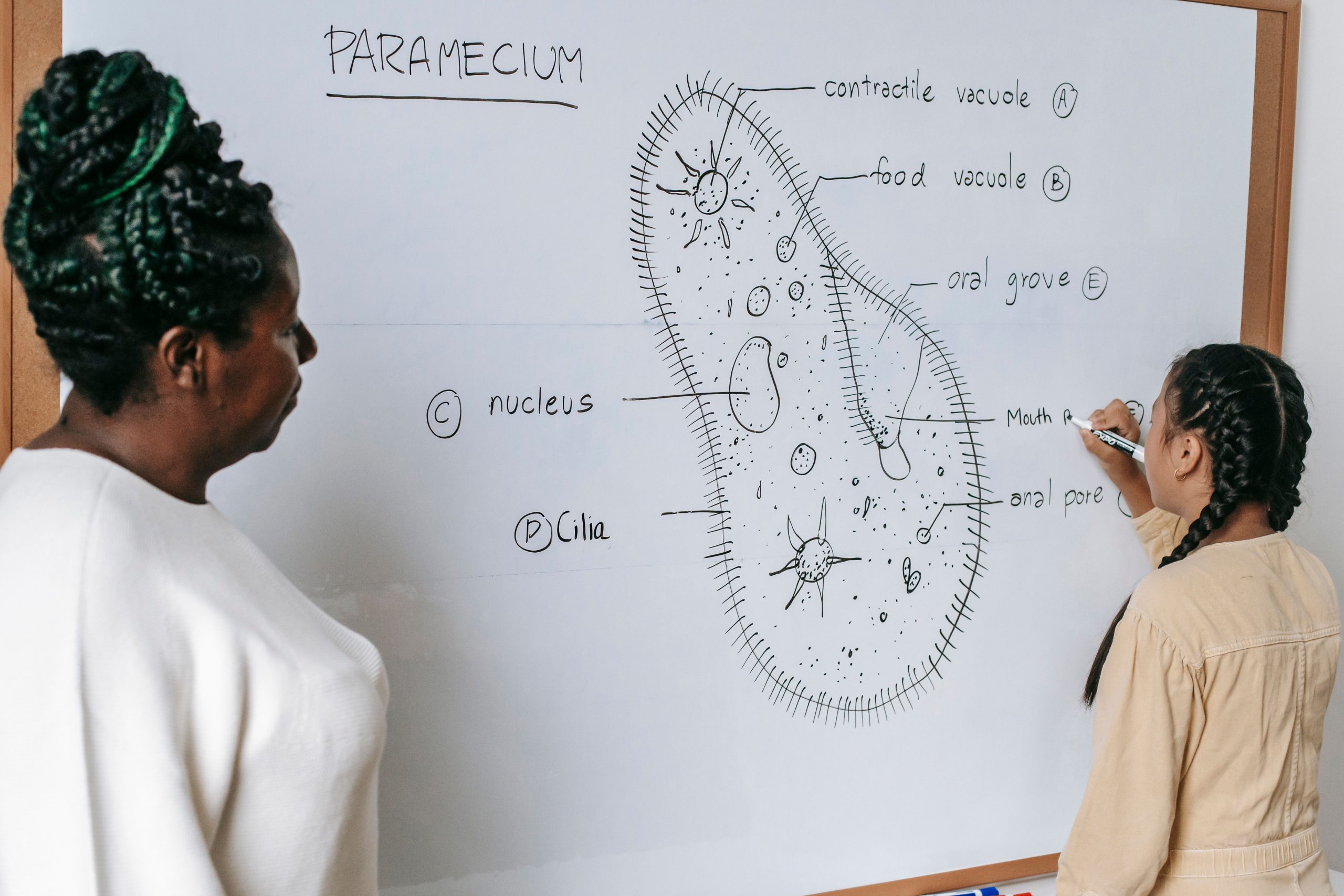
Build the message out of two sentences. First, thank the teacher for the action that happened. Next, say what it let you do. For instance, a pupil might thank the teacher for drawing two routes on the whiteboard so the group could explain how it chose one. If the next sentence only says the teacher is nice, help the pupil recover one real detail from the moment. The whole note can still be short.
Let students choose a form without comparing who is most grateful
The class can offer a written message, a small drawing of a shared learning moment or a quiet contribution to layout. Let a pupil write in Bahasa Melayu or English as appropriate to the teacher and class. If someone wants help checking spelling, let them make that choice. A bilingual card doesn’t need every line twice. It can keep a shared heading while pupils use the language that makes their examples clear.
Leave a small space for ordinary contributions. A helper who folds the card, sorts the examples or leaves room between the messages has done useful work. No pupil should have to explain why they didn’t submit a message. If there are too many cards, collect them inside the cover rather than selecting winners according to handwriting. A contribution about work done in class doesn’t require a costly cover or special materials.
Read for meaning and check the audience
Before the card is handed over, ask a volunteer to read one example privately. Could someone who did not write it tell what the teacher did and how it helped? If the answer is no, try changing one detail rather than adding a string of adjectives. Check that names, photographs and sensitive information appear only if permitted and genuinely needed. A card meant to go home with one teacher is not automatically suitable for the school website or a parent chat.
If the class already has another event, decide whether the teacher should receive the card quietly or whether a short, consented introduction is appropriate. A simple delivery is enough. After the activity, invite pupils to name one contribution they noticed someone make, without turning the event into another contest. The same writing skill will help when they thank a coach, club adviser or librarian. Say what someone did, what changed for you and who needs to hear the message.
If the teacher cannot receive the card that day, put it aside with the supervising teacher instead of posting the messages online as a substitute.