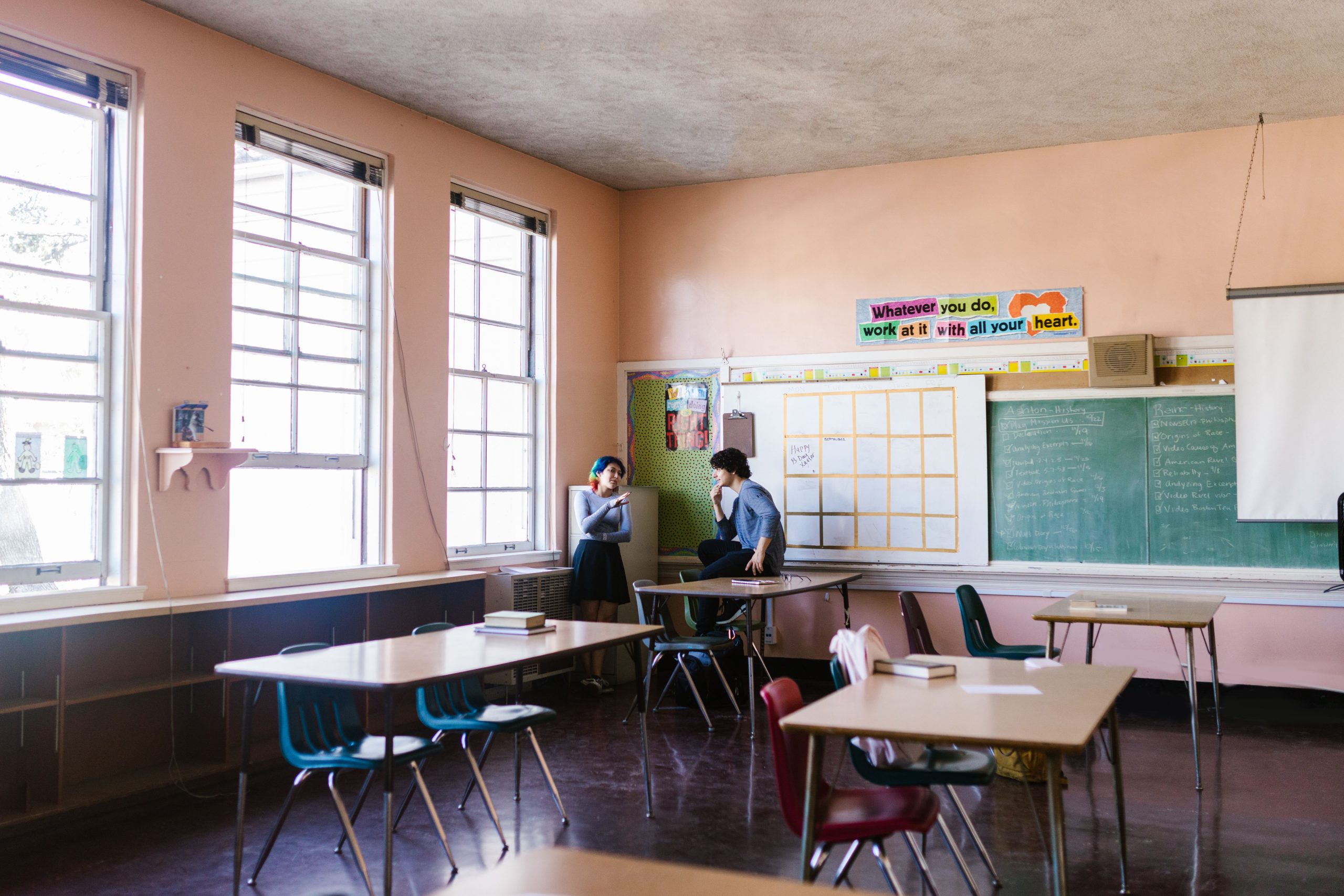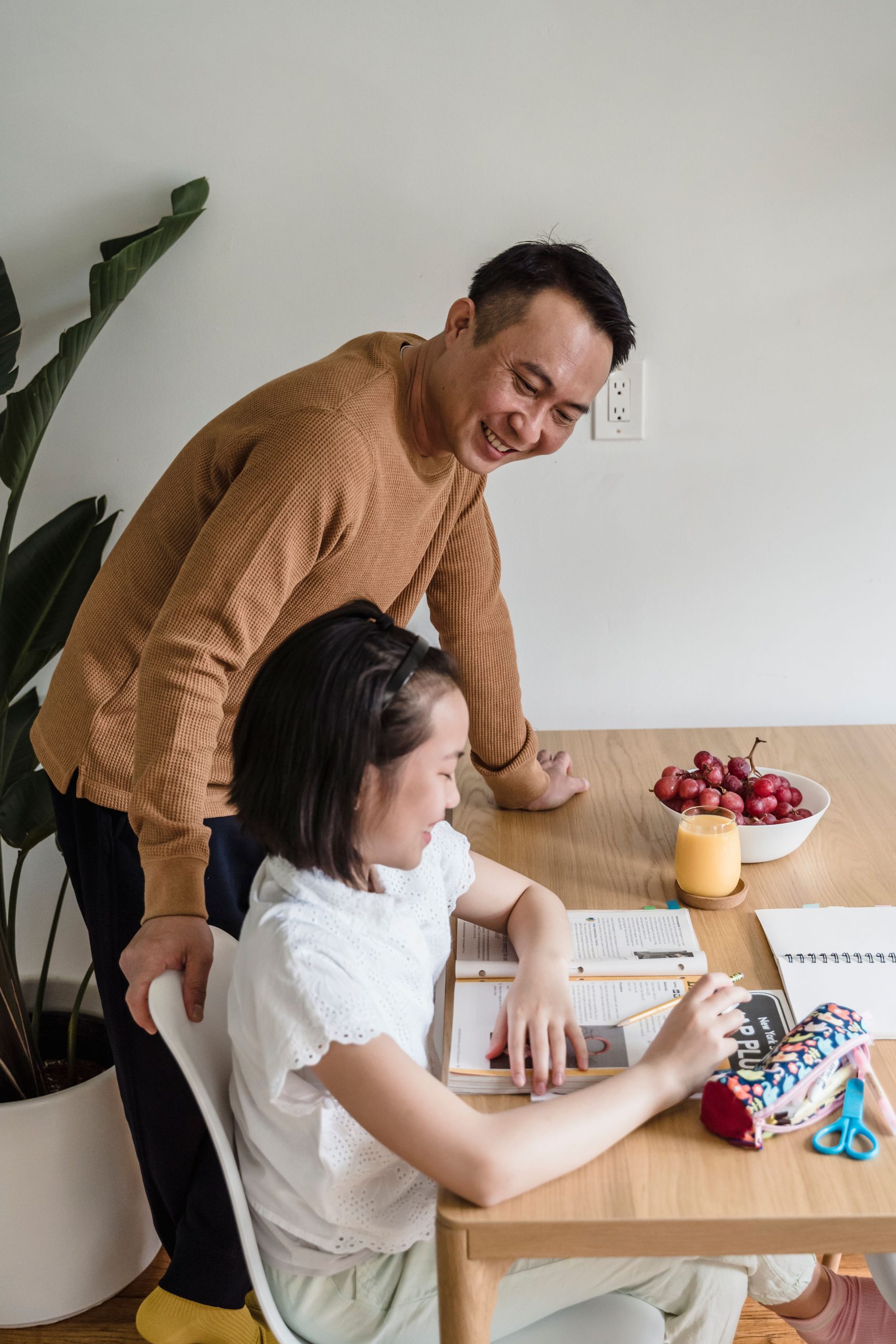
A Form 1 pupil in Johor Bahru comes home and says, “I don’t want to work with that group again.” One parent wants to message the teacher immediately. Another assumes it was an ordinary disagreement. Neither adult yet understands what happened or what the child wants to change. A short conversation after school can help you separate what the pupil experienced, what still needs checking and when the school should hear about it. It does not have to turn every afternoon into an interview.
Choose a time when the child can finish the story
In an October 2026 Malaysiakini commentary, Tarmizi Anuwar argued that family conversations about school should go beyond marks and homework. He gave the example of listening over a meal or on the way home without immediately dismissing or punishing a child. The article was written in response to a serious incident; its general suggestion is not a way to diagnose problems or draw conclusions about that case. For an ordinary concern, give the pupil a few uninterrupted minutes and let them choose whether to talk now or after a short break.
Start with “Which part of the group work was hardest today?” rather than “Who was wrong?” The child may say no one let them finish a sentence, that they could not find the shared instructions, or that they were asked to do all the writing. What happened after they tried to join is more useful than finding a label for the whole group. Ask for one example and then stop long enough to listen to it. A relative who was not present should not fill gaps with a rumour from a parents’ group.
Separate facts, effects and questions
Suppose the pupil says two group members started writing before everyone heard the task and they could not see the worksheet. Record that as the pupil’s account, not as a proven finding about another child’s intention. The effect might be that the pupil did not know which answer they were meant to contribute. The question could be whether the class uses a routine for distributing materials at the start. If your child says they can ask to see the sheet next time, practise that short request at home without turning it into a lecture about confidence.
Ask what the child would be comfortable with you sharing. For a routine classroom issue, you may not need to name classmates or repeat what was said in private. When a safety concern is significant or the situation is recurring, use the school’s established route promptly rather than promising that nothing will be shared. If there is immediate danger, seek urgent help rather than waiting for a planned conversation. The family can be clear about what it knows without treating something important as an ordinary disagreement.
When the school needs to know, send one answerable question
Try: “My child said they could not see the assignment at the start of yesterday’s group task and were unsure what to contribute. Could you help us understand how pupils are meant to get the instructions and whom they can ask if the sheet is not passed around?” That asks the teacher to check a specific process. It does not accuse a group or assume the teacher saw the same moment. Share it through the school’s usual channel, and follow its instructions if a more private conversation is needed.
Agree who in the family will follow up. Do not have two adults contact different teachers with different accounts unless the school directs you to do that. If a teacher replies, explain the result to the child in one or two sentences and let them say if it answers the problem. It is possible to confirm the classroom instruction and still need to check whether the child can use it in a busy group.
Check one thing after the next similar lesson
Ask the pupil what they did to get the instructions and whether anyone helped. If the issue is resolved, stop asking about it every day. If not, return with the new example instead of starting again with a general complaint. A good after-school conversation leaves the pupil knowing that they were heard and the adults knowing whether there is something the school can clarify. It is not measured by how many questions the parent asks.