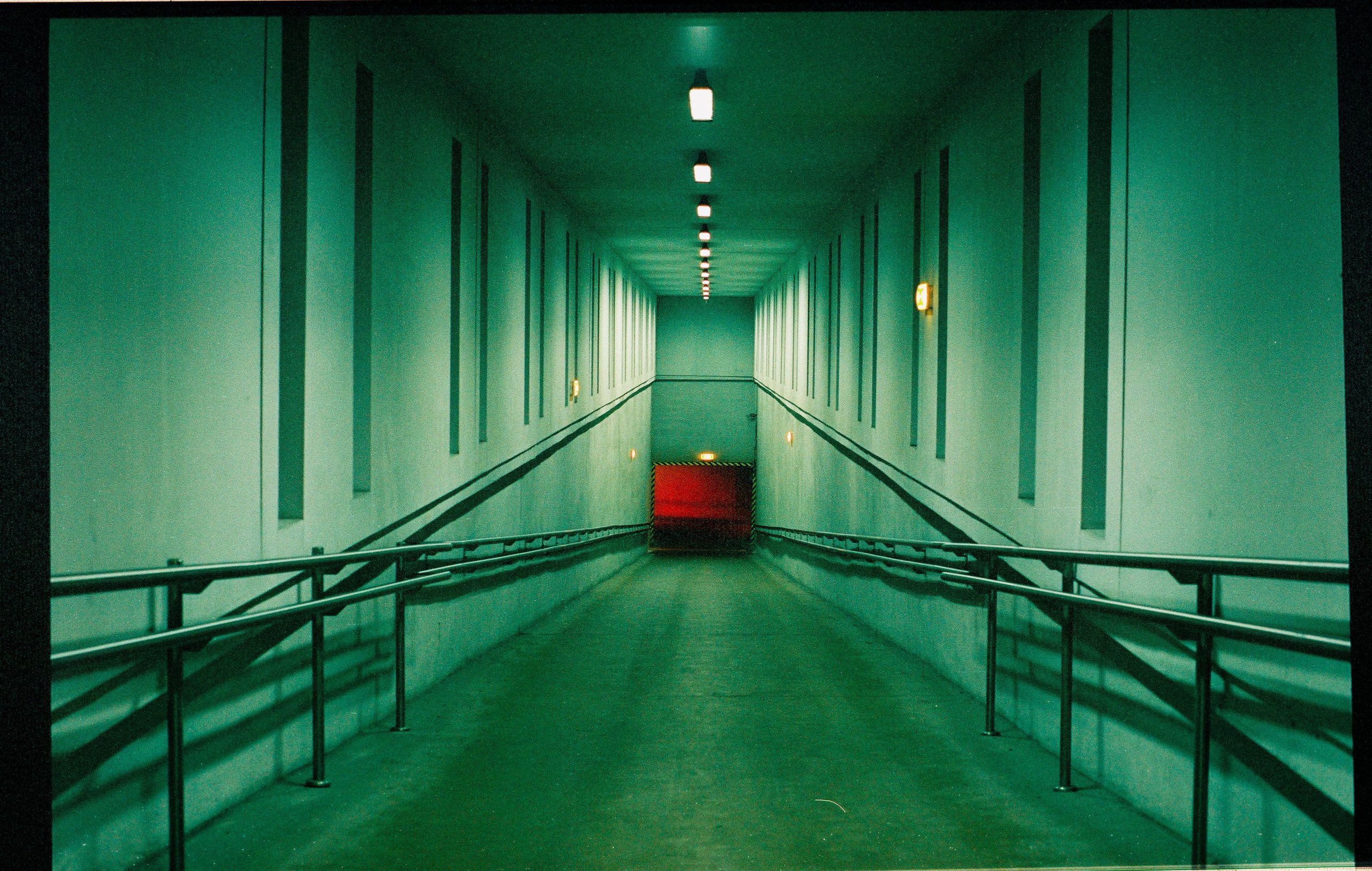
말레이시아 학교 견학의 도착부터 학습 활동까지의 경로를 확인해 보세요.
A venue can say it is accessible and still leave a pupil unable to join the activity the class travelled there to do. Perhaps the bus can stop beside a ramp, but the workshop starts upstairs before the group can get there. Or the room is easy to enter but the materials are set out where some pupils cannot reach them. For a Malaysian school outing, ask about the whole path from the agreed arrival point to the intended task. Check the return route and a workable alternative before the day.
Start with what pupils will actually do
“Visit a gallery” is too broad for an access check. Suppose a small group will compare two objects with a guide and make a short recording afterwards. Identify each stage: leave the vehicle or arrival point, enter, reach the room, see or access the material, contribute to the comparison and return. Ask the pupil and family which features or adjustments matter for these stages. Do not ask for more personal information than the school needs to organise the visit. Staff can coordinate privately with the relevant venue contact.
Check the trip plans with the staff responsible for the school’s visit procedures. The Ministry of Education publishes school-visit guidance, and any arrangements should fit what the school approves. A parent should not be asked to independently arrange a side route so the pupil can catch up with everyone else. Use the school’s process to decide who confirms each part and who can change the plan on the day.
Ask the venue for the route it will actually use
For an outing in the Klang Valley, a useful question is “From the drop-off point our coach will use, how does a group get to the room without taking steps?” Ask whether a gate is locked, how to reach a lift and how the venue will confirm that the planned route is operating. Do not rely solely on an accessibility symbol from an old map. Ask about a suitable break or toilet stop when needed and whether the group can reach it in the time allowed. The important route is the one the pupil and their group will use, not a different entrance that exists on paper.
Then check what happens inside. Can the pupil approach the table or use an alternative format for any exhibit information? Can they remain with their group, hear or otherwise follow the guide, and give their own response? A workshop can move to another approved space if the original room cannot serve the task. If the guide substitutes a recording or object, test that the pupil still gets to make the comparison rather than just listen to classmates describe what they saw.
Agree a fallback that preserves the learning goal
Imagine the lift becomes unavailable just before arrival. One fallback would be moving two exhibit reproductions to a confirmed ground-floor room and having the class compare them together. Ask in advance who can make that switch and how families and teachers will be told. If no accessible alternative can be confirmed, the school should review the itinerary or destination rather than assuming adults can carry a pupil or mobility aid up steps. Assistance should follow existing safe arrangements and the pupil’s preferences.
Check the last ten minutes as well
Plan who will check the return to the vehicle and when the group is expected to be ready. If one route takes longer, include that time without cutting the pupil’s activity short. A basic briefing can name the confirmed entrance, the planned task and who will help with changes. After the trip, ask which part let the pupil take part and which step still depended on an improvised workaround. Use that feedback for the next visit. A trip is accessible when a pupil can join the learning, not just when they can enter the building.
Keep the route check with the trip plan rather than assuming the same details will apply on a later visit. Reconfirm any change to the timing, room or arrival point that affects participation.