
Ask a child what feels familiar and what the story needs to explain
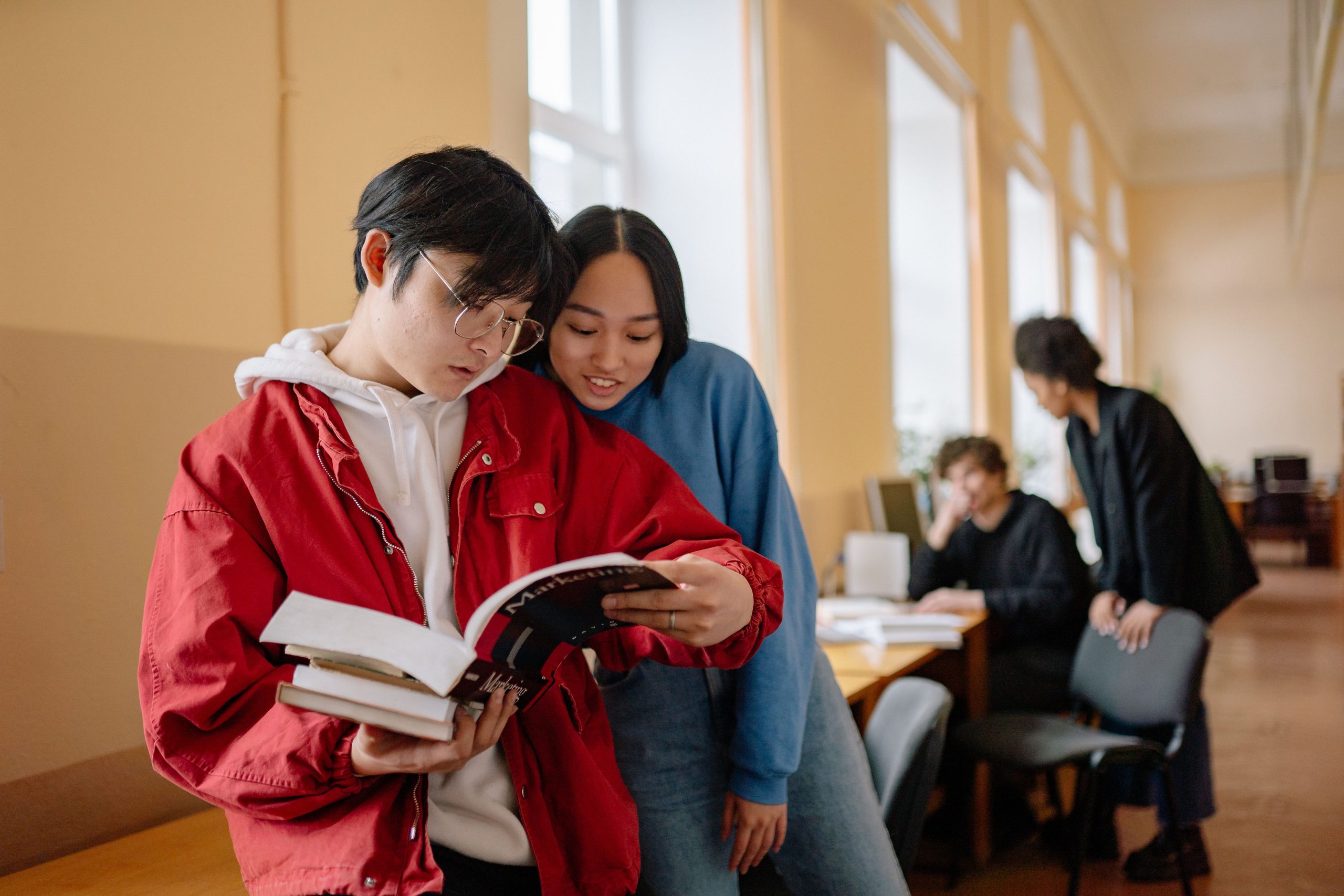
A Malaysian primary reading group might choose a Malay story in which the characters prepare a visit to a relative. One child immediately understands why a character offers to help. Another notices that the room, food or family address feels different from anything at home. Rather than ask pupils to decide whether the story represents their family, give them two questions. What part of the character’s problem can you recognise, and what detail would you like to understand better?
A Malaysiakini opinion column describes a conversation about Malay storybooks, diverse characters and the value of reading about lives different from your own. It is one author’s perspective, not evidence that particular books will have the same effect on every reader. The activity below gives pupils a way to talk about familiarity and difference without asking a classmate to speak for a whole culture.
Choose one short story moment with two kinds of detail
Use a book or short text the teacher has approved, or write a small example: a child arrives at a cousin’s house, is unsure where to put a parcel, and waits while the hosts finish a task. Give the group the same passage. Ask them to underline or point to one thing the character wants and one thing about the setting. A child can recognise wanting to be helpful even if the place and objects are unfamiliar.
Put a simple note beside each detail: I know a situation like this, or I need to ask about this part. These notes are choices, not labels for readers. A pupil who does not want to share a family experience can use a scene in a different story or a school-based example. No one needs to describe customs at home to prove they have understood the text.
Ask a question that does not give a classmate a job they didn’t choose
If a reader wonders why the parcel is placed in a particular room, make it a question about the text first. Does a character explain what the parcel is for? Does an illustration show who is meant to receive it? If the answer depends on a tradition outside the text, let the teacher choose a reliable explanation. Don’t ask a pupil to answer because they have a particular surname, speak a certain language or appear to be from the same community as the character.
Homes in Malaysia can use different words for similar actions or address relatives differently. Pupils can share an alternative term if they want to. Write it as one example, not the definitive meaning for a group. If the class is reading in Bahasa Melayu and discussing in English, ask which detail or phrase they are referring to before translating. A translation can supply a word without resolving why a character made a particular choice.
Compare two readers’ answers without choosing one experience as normal
A pair might agree that the character seems hesitant but point to different clues. One reader noticed the pause outside; the other noticed that the character asked permission. Ask them to refer back to those details before changing their notes. If one child says the scene is familiar and another says it is new, both responses can stay on the page. The group only needs to check that any claim about the character comes from the story.
Finish by saving one observation and one open question for another meeting, with the page number beside both. A teacher can help the group decide whether the next book should offer a familiar setting or a new one. Either way, use the same two questions again. The routine gives pupils a way to participate without having to disclose their background, and it leaves the book open to more than one kind of connection.




