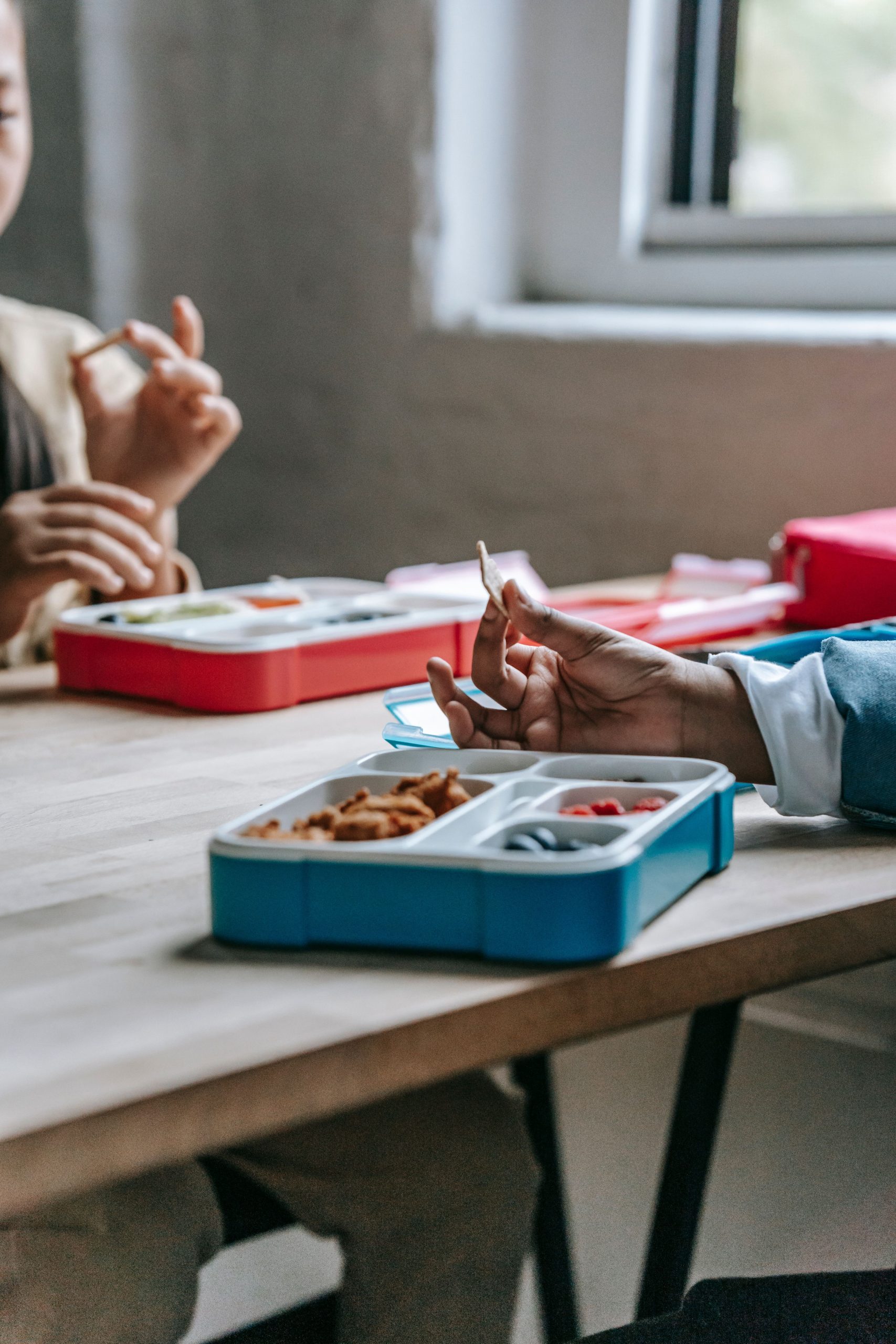
ช่วงพักกลางวันในโรงเรียนในมาเลเซีย: ช่วยลูกของคุณฝึกฝนกิจวัตรช่วงพักกลางวัน
A Year 2 pupil in Selangor comes home with a full lunchbox. Their parent changes the sandwich, then changes the container, but nothing improves. The pupil finally explains: by the time they have found a seat and opened the lid, their friends are being called back. Before changing the meal, work out what actually happened between leaving the classroom and returning to it. In a Malaysian primary school, that break may be called waktu rehat. Its routine can matter just as much as what you pack.
Ask how pupils spend the break at this school
Cikgu Hailmi’s visit to Rizq Islamic School in 2017 described pupils preparing the classroom for a shared meal and taking turns serving. That was one school’s practice, not a rule across Malaysia. A different school might use a canteen, have pupils bring food, or assign tables to particular classes. Even siblings at one site can have different recess times. Ask where pupils go first, whether they line up or find their seats, and what gets done before the bell. Check if pupils need to bring utensils, money or a bottle and what arrangements apply to their class.
Then ask your child to show you the sequence rather than asking “Did you eat?” Put a bag, a lunch container and a cup on the table. Have them explain what they would carry, where they put the bag and what they do after eating. You may discover that the container opens only if held against a flat surface, or that a bottle kept under books takes too long to retrieve. An adult who can open the container in one motion may never notice the problem unless the child demonstrates it.
Choose one small task to rehearse
If your child brings food, ask them to take out the container, open it and close it without your help. Use the same bag and lid they will have at school. Move a spoon or napkin to the easiest pocket, rather than adding more things to remember. Practise how to put the cleared container back without mixing it up with schoolbooks. For a child who usually buys food, rehearse a simple order, being ready with the payment method the school uses, and where they can sit afterwards. If an item is unavailable, choose one backup together.
For a school where pupils share lunchtime jobs, ask your child to name their job and the first thing they do when it is their turn. You can practise carrying an empty cup or placing a spoon at a table rather than trying to recreate the whole school setup. Check which things are shared and which belong to each pupil. If the child has an individual dietary arrangement, confirm exactly how the school identifies the agreed meal and who to ask if it is missing. A rehearsal at home cannot confirm how the school implements that arrangement.
Use three attempts to distinguish access from preference
Keep the meal familiar while testing one practical change. On Monday, the pupil brings the usual food in the usual container and tells you at which point they stopped. On Tuesday, you move the container to the top of the bag or change the lid, but keep the meal the same. On Wednesday, ask whether the change made the first few minutes simpler. If they can now open it and still choose not to eat, that is different from never finding a chance to start. Ask about the next step before concluding that they dislike the food.
If the routine remains confusing, give the teacher an observation rather than a demand: “She can open the box at home and says she spends most of recess finding where to sit. Is there a usual place for her class to eat, or an adult she can ask?” With a specific answer, your child can practise a new first move and test it the next day. A lunchtime routine is working when they can get to the right spot, use what they have brought or ordered and know who can help, without an adult having to guess from how much food comes home.