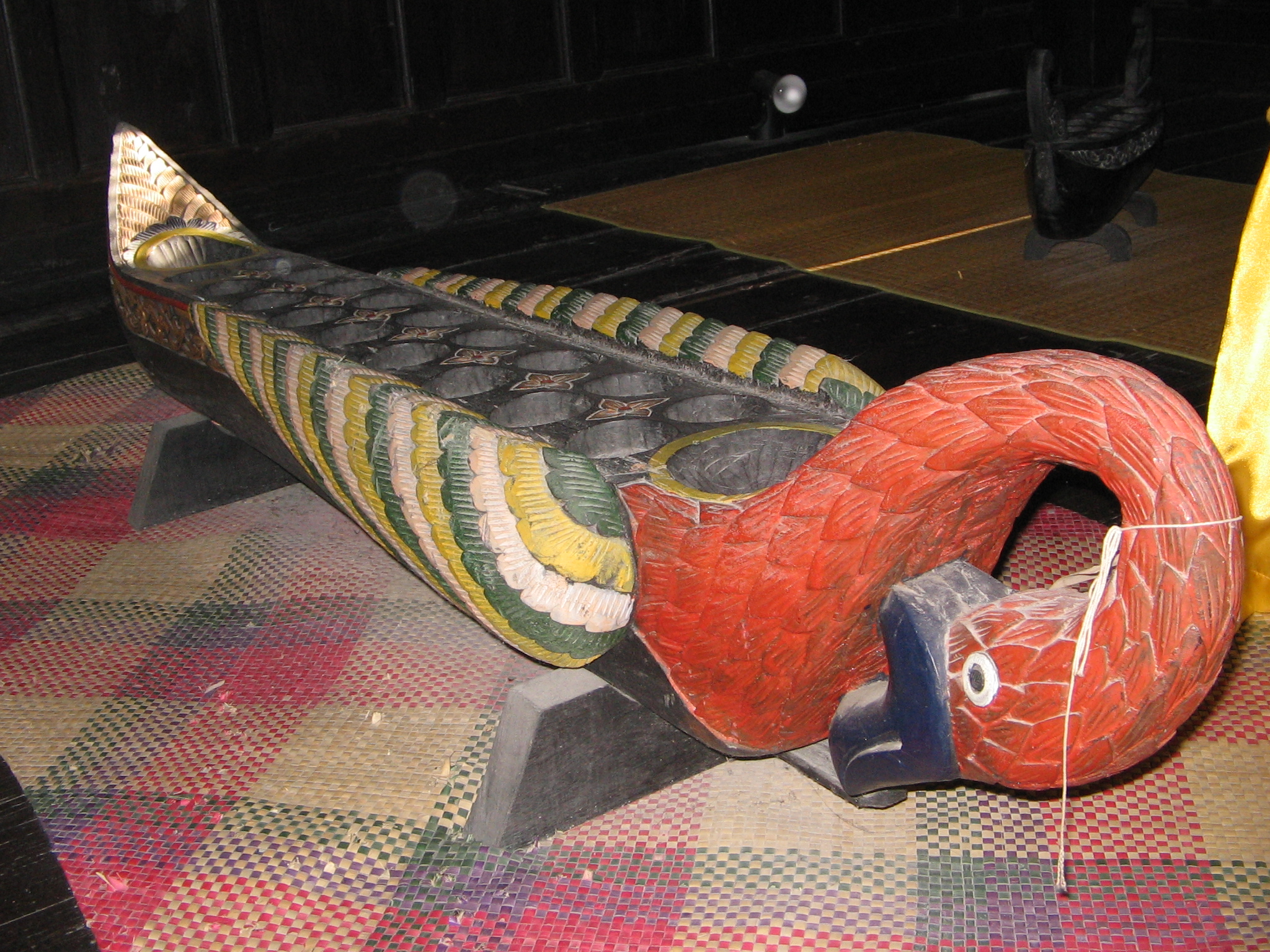
Teach a family congkak turn without assuming everyone learnt the same rules
A child visits relatives in Malaysia, sees a congkak board and asks how to start. One adult immediately explains a full game. Another remembers a different convention about where to go next. The child is left watching both demonstrations without knowing which instruction to follow. Begin with one demonstration turn. Agree which version the family is using that day, then give the child a chance to explain the next move back to you.
In a Malaysiakini personal essay about childhood games and family time, the writer remembers congkak among activities he wanted to pass on but says he couldn’t find a set for that outing. That memory is not a guide to the rules. It does suggest a useful family question: how do you introduce a familiar game without assuming the learner already knows its rhythm? For this exercise, the family supplies the version it knows. A drawing and paper markers are enough for the first explanation.
Show which parts of the board you are talking about
Draw or point to one row and one end of the board. Ask the child to agree a name for each area before teaching a sequence. Depending on the family and language, the adults may already have familiar terms. Write them beside the drawing or simply use a finger to point to each part. A child can repeat each name, make their own sketch or use both Bahasa Melayu and English. The important part is that the words identify the same places.
If there is no board, a drawn model can still help you demonstrate a sequence one space at a time. Keep any real small pieces out of reach of children who may put them in their mouths, and use large paper markers for the demonstration. Set the paper on a table with room for both people to point. Do not ask a beginner to remember two directions and an end rule before they have seen where the pieces go.
Choose a starting position and stop early
Use just a few practice markers rather than set up a complete game. The adult shows one starting space and demonstrates a short sequence according to their own rules, then stops. The child should be able to show the first space and the next one without needing to remember how scoring works. If they say the name of the wrong space but point to the right place, practise the language separately. The learner may already understand the movement.
Next, let the child choose a new starting place on the model and explain what they think would happen. Don’t rush to correct them if they offer a plausible sequence. Ask where they expect the next piece to land and check whether that matches the version you agreed. If another relative remembers a different rule, label both versions instead of turning the conversation into a contest over which memory is genuine.
Write down the convention you actually used
One short note can say who demonstrated, what the child can now show and which rule the family will revisit. Avoid calling the note the official rules of congkak. It describes a particular family lesson. If the child wants to bring the activity to a school culture club, ask the teacher to confirm what instructional reference or set the club should use. The board itself does not resolve every rule disagreement.
At a second session, give the child the chance to demonstrate the same starting sequence to a willing relative. Have the adult listen first rather than jump in when a term is different. A successful introduction is not necessarily a finished match. It is a learner who can point to the board, explain the first part in their own words and ask which version the next person knows.