Test how school mural panels meet before anyone paints a wall
A Malaysian school art club has three groups drawing a corridor mural. One sketches a river, one draws a market and one chooses a tree canopy. All three look good separately, but when laid side by side the river stops in the middle, and a dark shape at one edge makes the next team’s writing hard to read. Plan the joins on paper before anyone asks to paint a wall. This activity works even if the club never gets permission for a permanent piece.
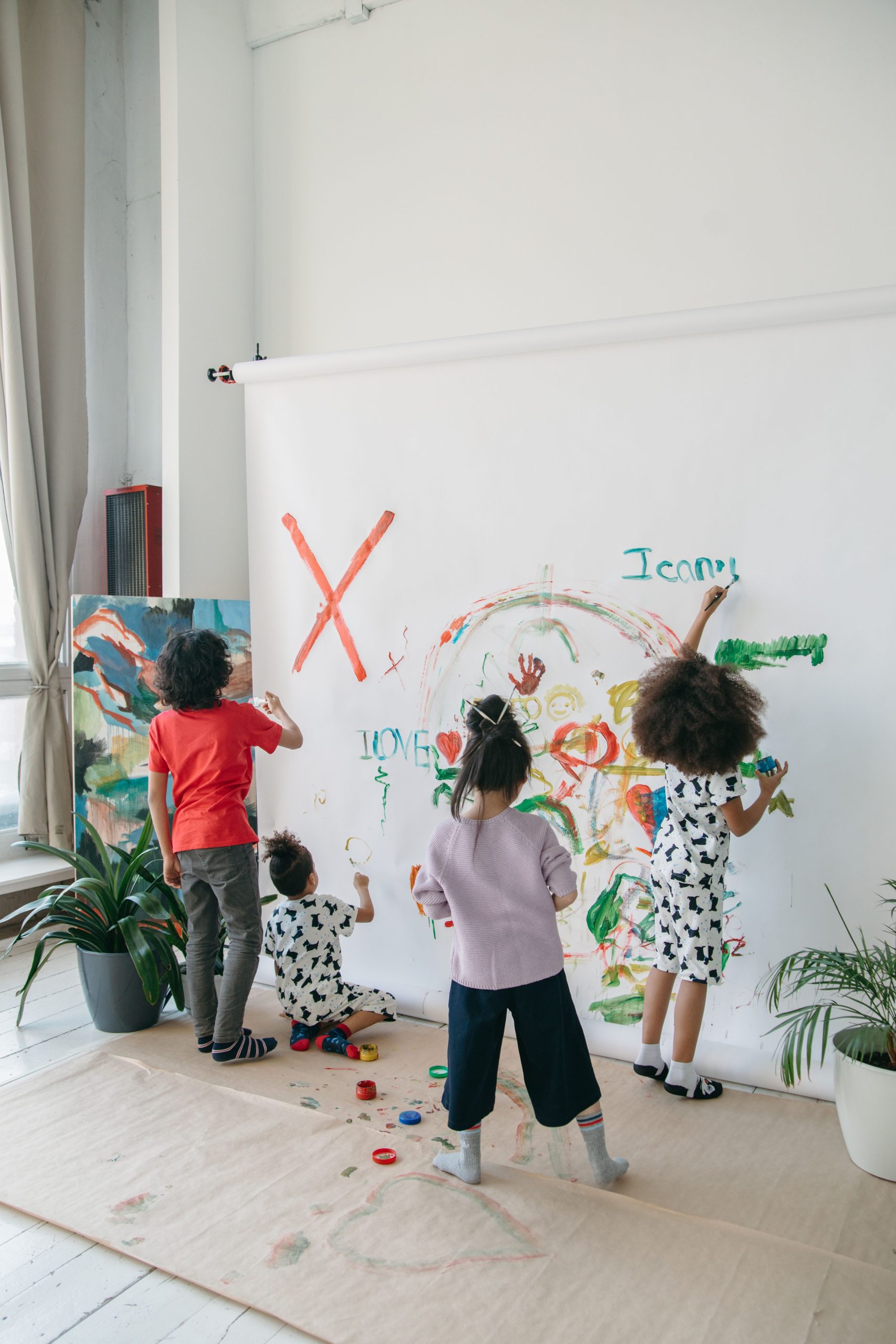
An organiser’s account carried by Malaysiakini describes students in Manjung developing a community mural through workshops before painting with artists and other community members. It is an example of young people taking part in a shared artwork, not evidence that every school should copy the design or use the same materials. The club exercise below is a paper prototype that makes the join between teams visible.
Give each team the same paper edges and one common rule
Draw three rectangles of equal height on separate sheets. Agree where a shared line will leave one rectangle and enter the next. For the river idea, groups can mark that position with a small pencil cross outside the drawing area. Each team is free to work with a different part of the theme, but feels responsible for connecting that one line to its neighbour. This is more precise than saying the panels should have a similar look.
Pick one feature to keep shared across all the sheets, such as the thickness of that connecting line. Leave the colour or shape of other details open. If the teams use different versions of a colour, put those swatches together and decide whether the change tells part of the story. A shared project does not have to look as if it was drawn by one person.
Run a join check halfway through the drawing
Stop before filling the backgrounds. Lay the drawings beside each other on a table and see where the cross marks align. One group may have used the outside of the river as its marker while the next used the centre line. Ask both groups to identify the feature they thought should connect. Only then adjust one small area. Moving the whole river to hide the join could erase details that another group needs.
Give a viewer an approved place to look from a little farther back. Ask what seems to continue across the join and what appears to stop. If everyone notices an accidental break, the club may extend a line or leave a deliberate gap with a different shape. A proposed message in Bahasa Melayu or English can be tested from the same place. Long writing might read well at a table but disappear when seen farther away.
Approve changes at the join with both groups
Write two short decisions beside the draft: what the left team will change and what the right team will preserve or change to match. One team should not quietly redraw another’s page. If there is not enough time to agree, use a blank strip between panels rather than pretend that the lines connect. It is a finished design decision if the gaps are deliberate and repeat across the display.
Keep the prototype on movable paper. A real school wall, high work, surface preparation and materials all need adult decisions and permissions that this exercise does not supply. The group can stop after a tabletop display and still review the skill. Next week, hand the three sheets to a new team and ask them to add a fourth rectangle. If they can tell where the shared line begins and ends without calling back the original designers, your art club has made a collaboration rule that still works when the people drawing change.