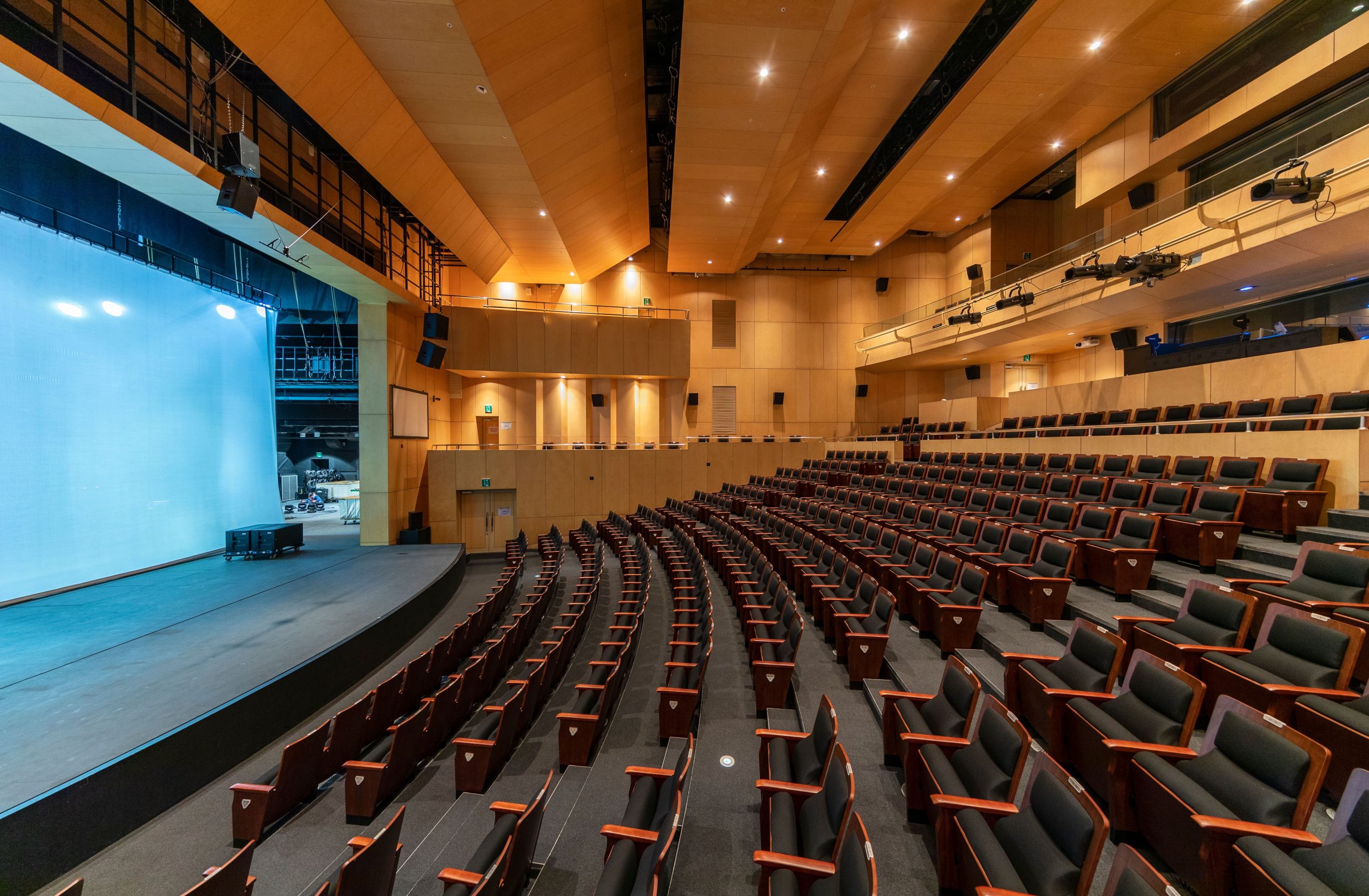
帮助一名学生为繁忙的马来西亚学校集会做好准备。
A school assembly can change suddenly from a quiet queue to amplified speech, close rows and applause. A pupil may want to join classmates but be unsure what will happen or how to ask for a pause. Families and staff can make one assembly more predictable without asking the child to explain personal needs in front of other pupils. Start with the part that is difficult, agree on a simple plan with the school and make sure the child can still receive the important information if they need to step away.
Ask for an actual sequence rather than a general reassurance
Find out what the school is planning: where pupils wait, how the group enters, what the loudest or busiest part is likely to be, and how pupils leave. The school may not know an exact duration, and that is fine. “The class queues outside the hall; there are two announcements; then classes return in order” is more useful than “It won’t take long.” A Malaysian school may use a hall, a covered court or another assembly area. Use details for this event, not a generic picture of a school hall.
Ask the pupil what would make the event more manageable. They might prefer standing at the edge of the class group, knowing when the microphone will be switched on or seeing the sequence written in advance. If they use an agreed visual or text format, keep it available. A family can practise reading the brief plan at home, but there is no need to recreate an upsetting sound or insist on a rehearsal that the child does not want.
Agree on a quiet request and a supervised next step
Ask the school which adult the pupil can approach and what should happen if the pupil needs a pause. A short phrase such as “I need a moment” or “Saya perlukan rehat sekejap” may work, as may an agreed gesture or a card. The signal must be usable when the pupil is standing with the class. Confirm where the pupil would go, which staff member would supervise and how the pupil can rejoin. Do not invent a plan that sends a child away alone or conflicts with school safety rules.
For example, a Year 4 pupil is comfortable with the opening announcements but finds the applause after awards difficult. The teacher checks whether the class can use an agreed place nearer to the aisle. If the pupil uses the signal, the designated adult follows the arrangement already made. After the noisy part, the pupil can return at a practical point if they wish. The pupil is not required to explain their reason in that moment. If leaving and returning is not practical, ask what other approved choice would let them participate.
Keep the information accessible if the pupil misses part
An assembly might include a change to the location of a later class or a reminder about a deadline. If a pupil steps away, they still need that information. Agree who will provide a short accessible recap in the format the pupil can use. Separate essential instructions from general highlights. “Bring your reading folder to your usual classroom on Thursday” gives a usable next step; “You missed some announcements” does not. If the assembly includes a special moment the pupil wanted to see, talk about an acceptable way to include them next time rather than assuming the recap replaces it.
Review the plan after one real event
Ask the pupil which part made a difference and which part remained difficult. Perhaps they knew the sequence but the adult could not see the agreed signal. Perhaps the position by the aisle made the room feel easier without needing a pause. Change the specific barrier rather than automatically adding more supports. Keep anything that already works, and confirm the arrangement again if the next assembly uses a different venue.
A successful plan is not measured by how long a pupil stayed. It is whether the pupil knew what was happening, had a real way to ask for support and remained part of the school activity.