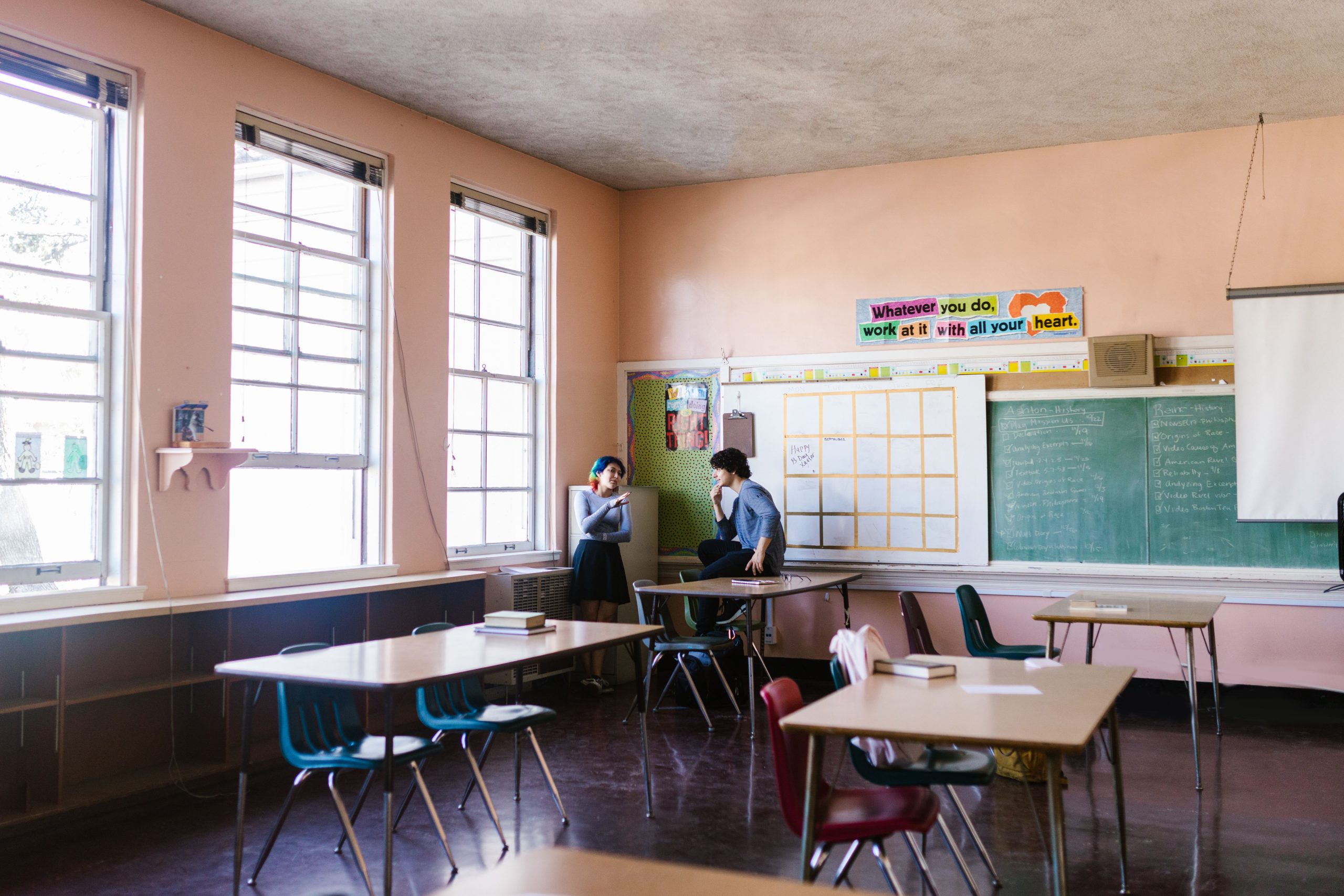
Try a two-way classroom language exchange without putting a pupil on the spot
A multilingual class in Malaysia may have plenty of languages in the room and still give the same pupils all the language work. The child who speaks a particular language should not have to translate for a group, represent a whole community or correct every mistake. A short, voluntary exchange can work differently. Give both partners a practical thing to learn and equal control over how much they share. The goal is to communicate one message someone can use, not collect accents or perform an identity in front of the class.
Choose a task with a clear result
Ask both pupils to pick a simple activity: borrowing a ruler, checking whether a seat is free or asking someone to pass a sheet of paper. Each can choose a different language to practise or a different way of saying a request in the same language. A pupil can use a teacher-checked card if they do not wish to teach from their own home language. No one needs to describe what their family speaks. Offer a quiet role, such as listening, pointing to a request card or writing a response, so pupils can join without an unplanned public performance.
For example, one pupil wants to practise asking for a ruler in Bahasa Melayu. Their partner wants to practise asking whether a seat is free in English. Write a possible model for each: “Boleh saya pinjam pembaris?” and “Is anyone using this seat?” Then agree how to reply if the request is unclear: “Boleh ulang sekali?” or “Could you repeat that?” Both pupils have something to learn. They do not have to be equally fluent in both languages, and neither becomes the unpaid interpreter for the group.
Ask what kind of feedback the partner wants
Before practising, give each pupil a choice: hear the phrase once, see it written, or try it before receiving feedback. If a partner understands the request, respond to it first. Pass the ruler, point to the chair or answer the question. Then offer one correction if the learner wants it. Focus on a word or phrase that made a difference to the message. Avoid grading an accent or copying a partner’s speech for laughs.
If a pupil introduces more than one way to make the request, ask when they would use each. One phrase may be normal with friends, while another is suitable with a teacher. Do not insist the pupil explain the practice of every speaker of that language. Keep the discussion about the examples people have chosen to share. If a classmate does not know a phrase, note it for the teacher to check rather than asking them to invent an answer.
Change one detail so meaning matters
For the second round, put two objects on the table. One ruler is long and one is short. The listener now needs to know which one to pass. In the seat example, mark one chair with a notebook and leave the other clear. A pupil may ask a follow-up using words, a gesture or writing. If the first phrase works only when the partner knows exactly what to expect, the new condition reveals which word or gesture made the request usable.
End with a quick check that respects choice
Ask both pupils to name one message they understood and one way their partner helped. The teacher can collect anonymous examples, with consent, to improve a future practice card. Do not record voices or post a performance as proof of participation without appropriate permission. The next exchange can use a new pair of actions and another communication format rather than assigning the same pupils to demonstrate again.
A well-run exchange leaves each pupil with one phrase or strategy they can use elsewhere. It also lets a classmate say “I would rather use the card” or “I want to try again” without treating either choice as a failure.