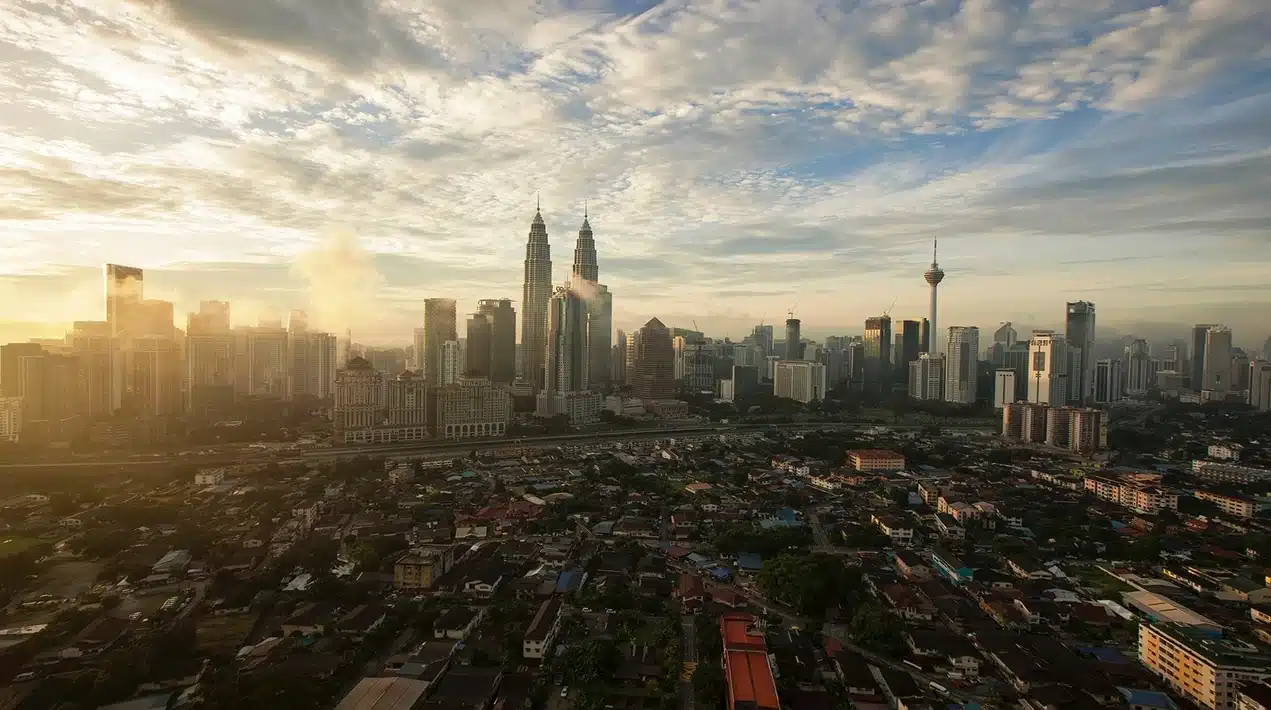
The policies and activities indicated to transform Malaysia into a high-technology nation by 2030 are optimistically anticipated to be implemented and successfully ensured by the Ministry of Science, Technology, and Innovation (MOSTI).
The MOSTI Minister recently indicated that the organization applauded the nation’s Prime Minister’s recent declaration that Malaysia will become a high-technology nation by 2030, aiming to establish an ecosystem in the economy that is driven by science, technology, and innovation By generating economic possibilities and a skilled workforce in blockchain, Internet of Things, and artificial intelligence technologies, this will promote local technology growth.
The prime minister’s goal is in line with the DSTIN 2021–2030 National Science, Technology, and Innovation Policy. The successful implementation of the nation’s numerous policies, according to the Minister, led to a sharp increase in the gross domestic product (GDP), which increased from RM204 billion in 1991 to RM1.34 trillion in 2020. These, he continued, include DSTIN 2021-2030, which aims to achieve the status of a high-technology nation by 2030 by promoting economic growth, enhancing people’s quality of life, and boosting overall wellbeing.
Research and development (R&D) being a primary emphasis of DSTIN in order to achieve the goal ratio of 2.5 percent of the gross expenditure on R&D (GERD) of the GDP by 2025 and 3.5 percent by 2030 is one aspect of strengthening the science, technology, and innovation ecosystem. In addition to MOSTI’s initiatives through its agencies, such as the Technology Commercialization Accelerator and Malaysia Science Endowment, to promote development and local technology application efforts among industry players and in aiding the nation in preparing for the fourth industrial revolution, the efforts were aided by aligning the country’s R&D priority areas with a focus on experimental research.
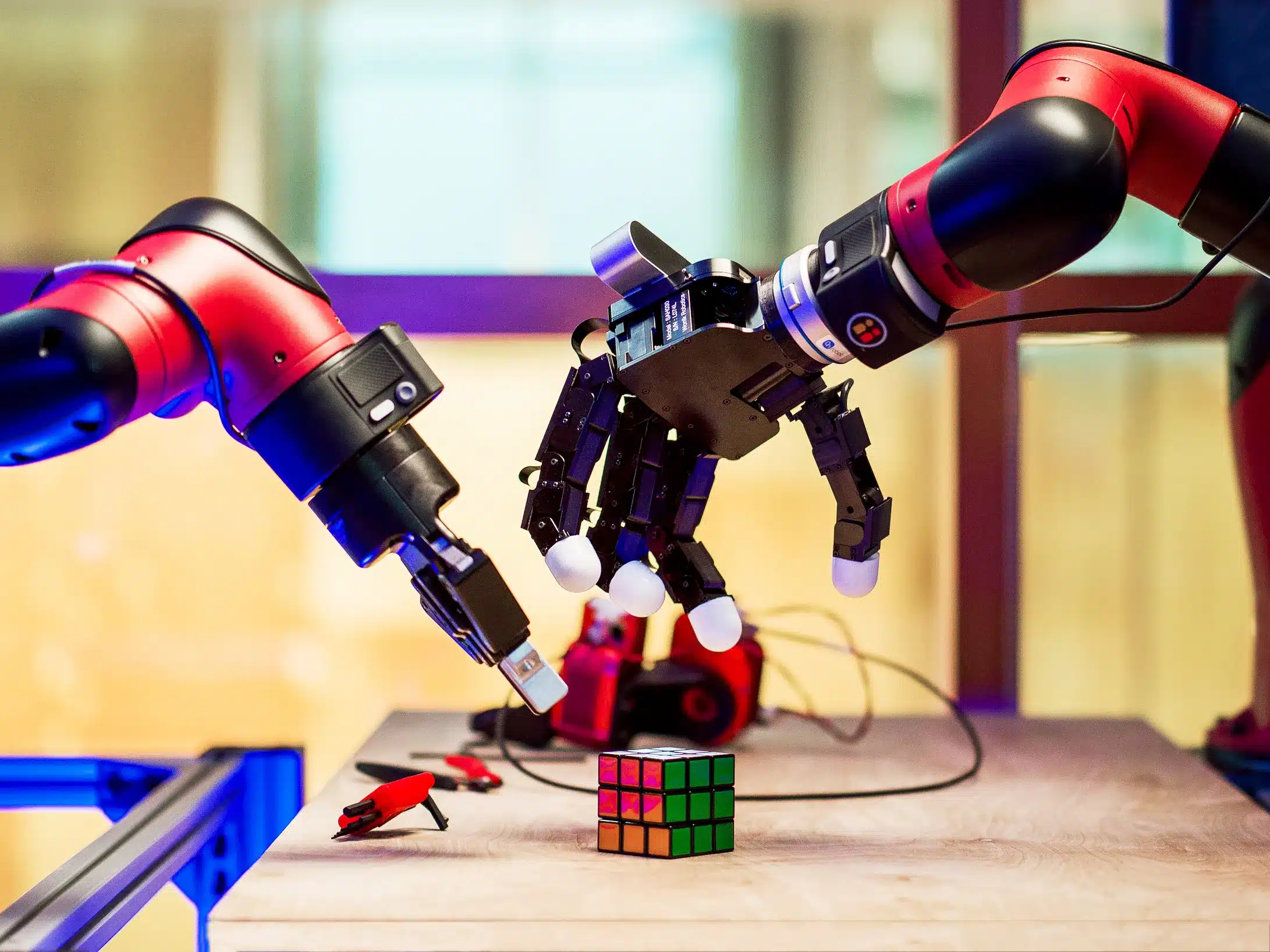
The Minister also mentioned that the agency is working on 17 technology roadmaps, including those for new materials, robots, vaccines, blockchain, electrical and electronics, and artificial intelligence. According to the 10-10 Malaysia science, technology, innovation, and economic frameworks, these roadmaps are in line with the 10 socioeconomic drivers and the 10 scientific and technology drivers (10-10 MySTIE).
Making Malaysia a producer of vaccines, generating RM600 billion in potential trade returns in the electric and electronics sector by 2025, significantly boosting GDP through the targeted fields, and creating job opportunities in various STEM fields as well as 5,000 startups by that year were among MOSTI’s objectives.
The Minister pointed out that MOSTI set a goal of 500 items or solutions to be commercialized through the National Technology and Innovation Sandbox and Malaysia Commercialization Year in order to boost the nation’s revenue under the 12th Malaysia Plan (12MP).
From 2016 to 2020, 386 commercialized R&D goods generated sales of RM402 million. The government’s Intellectual Property and Inventions Commercialization Policy 2021–2025 will also step up the commercialization efforts. The emphasis will also be on creating experimental research, empowering and assimilating talent in STI, and producing experts in order to reach the target ratio of 130 experts and talents for every 10,000 workers by 2025.
Through the Malaysia Startup Ecosystem Roadmap (SUPER) 2021–2030, which gave Malaysia’s early stage start-up influencer the mandate as the sole agency to manage the start-up ecosystem development from the beginning to the growth stage, MOSTI was committed to supporting the start-up ecosystem holistically and sustainably.
The Minister added that this is done to increase local start-ups’ competitiveness on a global scale and to support their businesses with the goal of having five unicorn companies by 2025. The investment company is now creating the MyStartup platform, which aims to organize and provide start-ups with comprehensive and inclusive services.