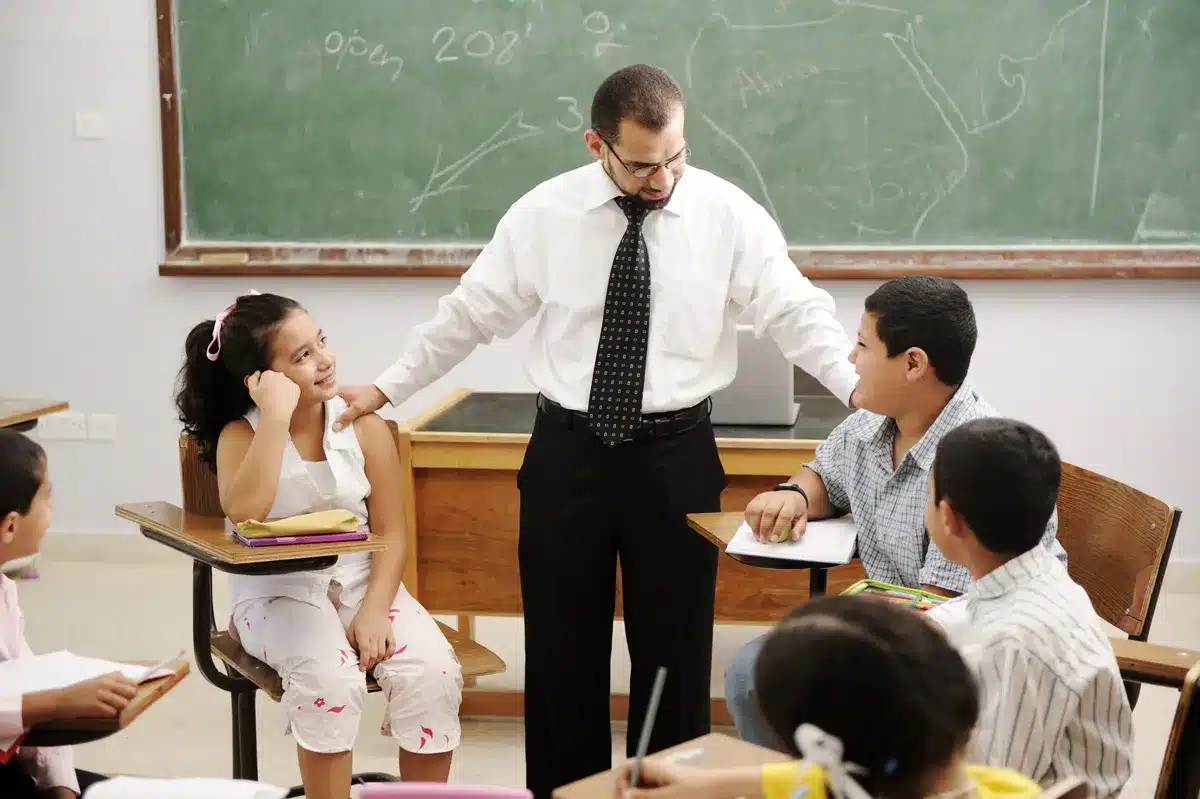
Educators from all over the country shared their best ideas on how to make students feel valued members of the school community. We narrowed down the best suggestions.
Many people agree that the most important thing to remember when prioritizing is not to worry about the tiniest details. Sort the oats from the bran. Do not exaggerate the smallness of the problem.
Teachers who answered to our recent social media query about “How do you make your pupils feel important?” said such guidance falls short in the classroom.

It’s time to show the chaff some love! There are six more super-smart suggestions about how to make pupils feel valued from experienced teachers in the notes below:
1. LISTEN, TALK, AND VOICE YOUR OPINION
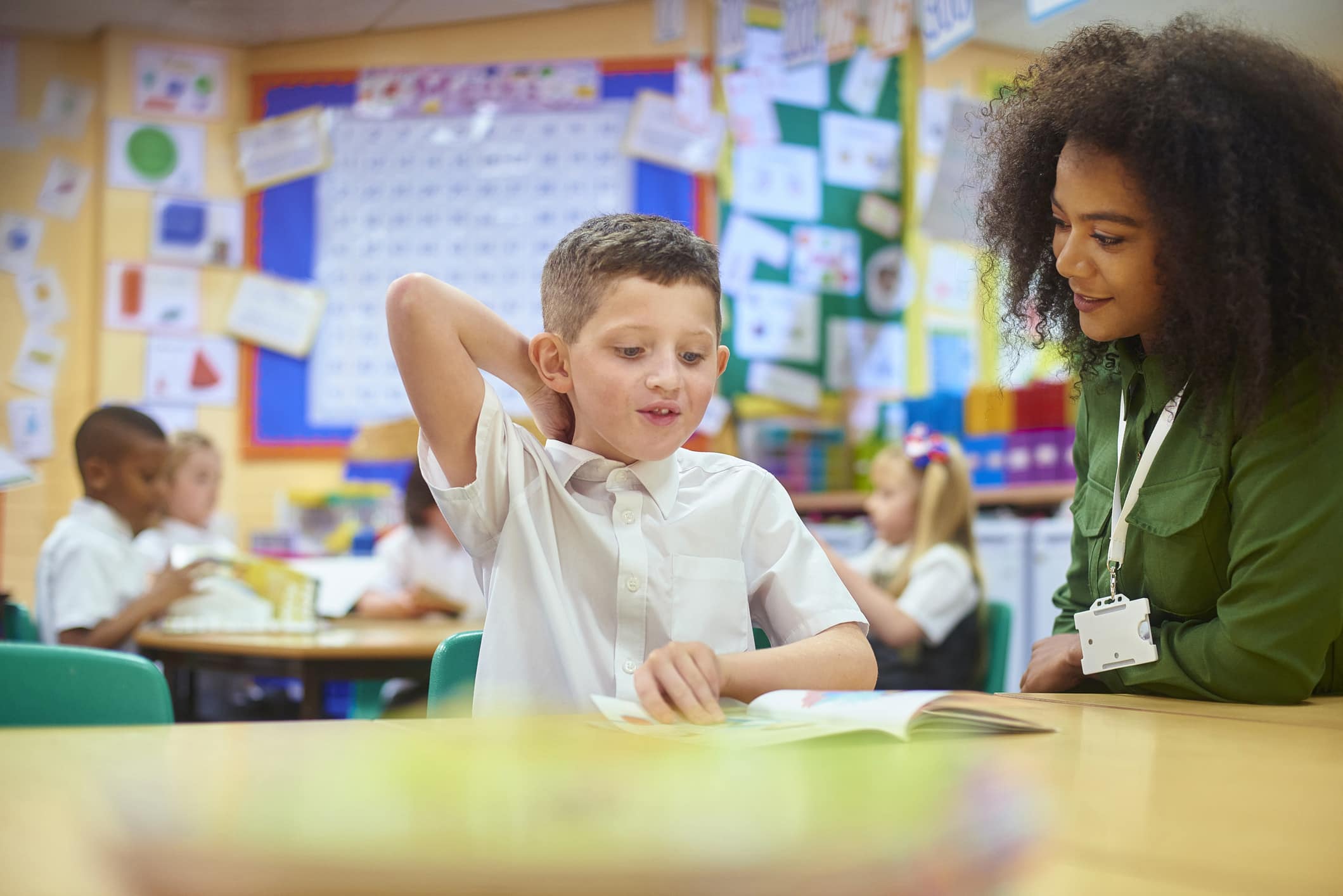
Putting aside the physical impossibilities, educators should actively listen to students. Ask questions about their lives, make eye contact and sit or kneel next them, recommended senior tutor at Tiger Campus.
2. CHECK IN AND CHECK OUT
A meaningful rapport requires more than just social pleasantries, say educators. Encourage a dynamic discourse across weeks and months, asking lots of questions and following up to show genuine interest.
It could be a humorous inquiry or a serious question like ‘What do you enjoy about yourself?’ Others used a more casual approach, checking in occasionally to inquire about siblings, pets, birthdays, and student interests. The key is to “remember minor tidbits about their lives and then ask about them a few days/weeks later.” Send a message home to acknowledge a life-changing event in the family or to check on a pet’s health.
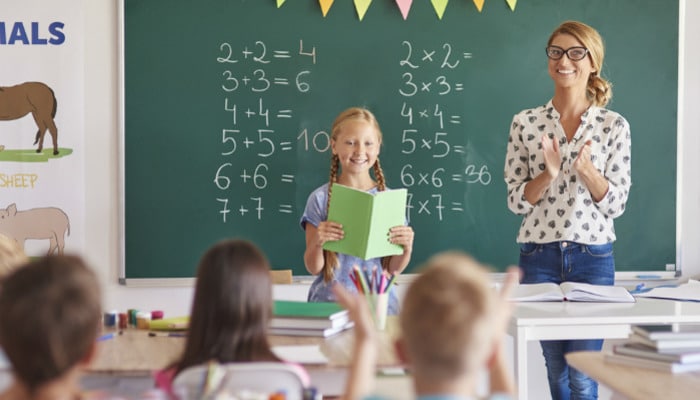
Because there are so many kids, it’s OK to “cheat,”, gaining virtual adoration from educators in the know.
3. RESPONSIVE
When you know your students, you can tailor your curriculum to their interests, provide alternate assessment options, and differentiate better at the individual level.
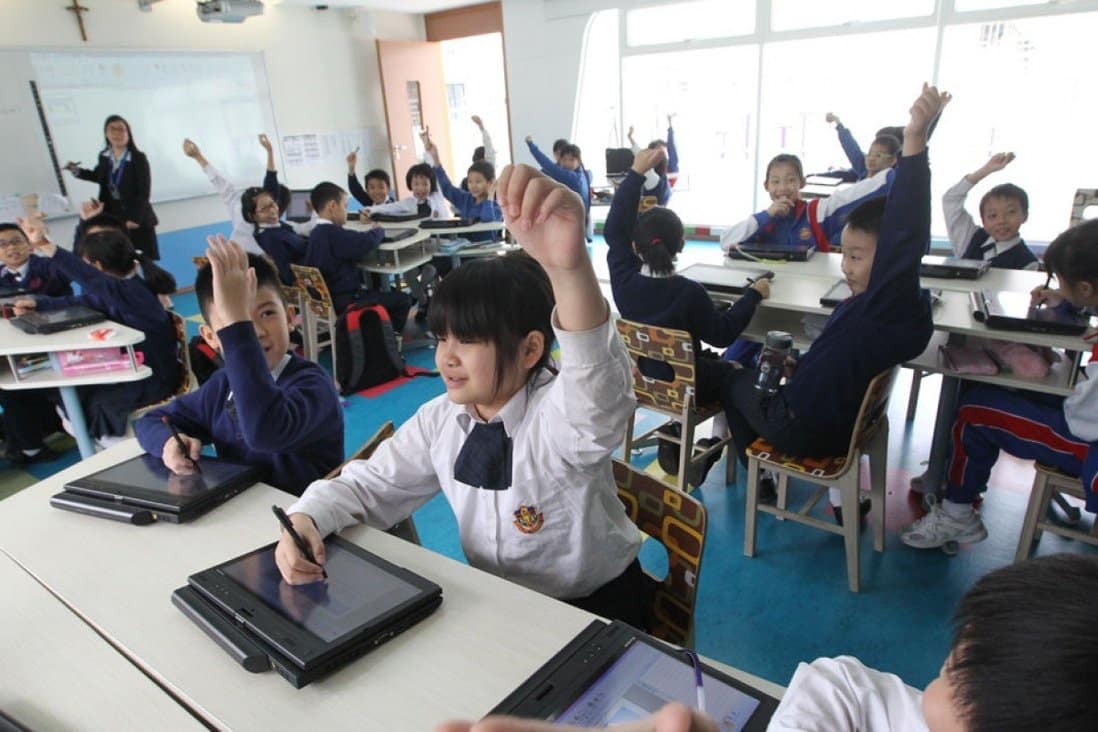
Every two minutes, talk to each child. Ask them how their lives are going and what obstacles they face. You can also use questionnaires to collect student issues more methodically.
By using social insights to “build and mould your teachings and classroom atmosphere around student interest,”
4. DEMOCRATIZE OPINION
A school, like any other organisation, can unintentionally promote arbitrary power systems, creating sterile, uninviting, or hostile settings.
Perspective shifts may personalise classrooms and express respect to pupils. “Talk to them as humans” and “treat them as a person first, student second” were repeated dozens of times throughout the conversation.
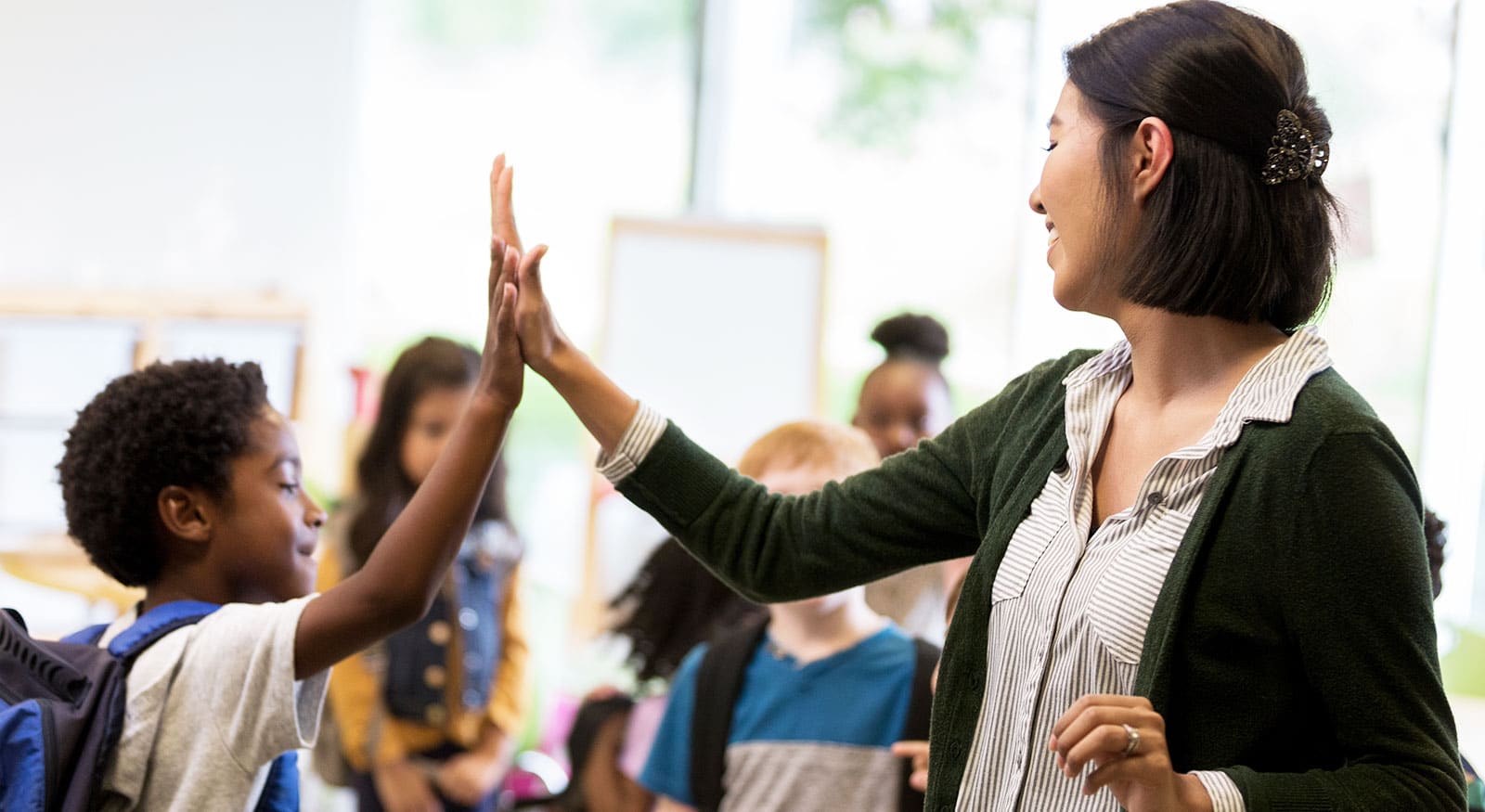
Meanwhile, including students in the classroom and providing them significant roles shows that they are respected co-owners. Educators say this is true for all grades: In Laura Bradley’s middle school design lab, experienced students who are asked to help struggling ones “never say no, and walk back to their seat a little taller”; and you can “give students jobs in the classroom at the high school level so they feel integral to the community,” .
5. KNOW WHEN TO FOLD
Many schools frown upon it, but it should not be. It’s okay to ignore the lesson and examine everyone’s body language. Teachers need to be permitted to use discretion within reason without fear of repercussions from colleagues or administrators.