Teen wisdom is debunked by science! The thinking half of the brain does not develop until the age of 25! Adult and teenage brains are not the same. Adults process information in the prefrontal cortex, the brain’s reasoning portion. Teenagers use the amygdala, the emotional part of the brain. This understanding may assist parents better comprehend their adolescent children’s behavior and learning styles.
Did you realize that adolescent brains undergo considerable changes?
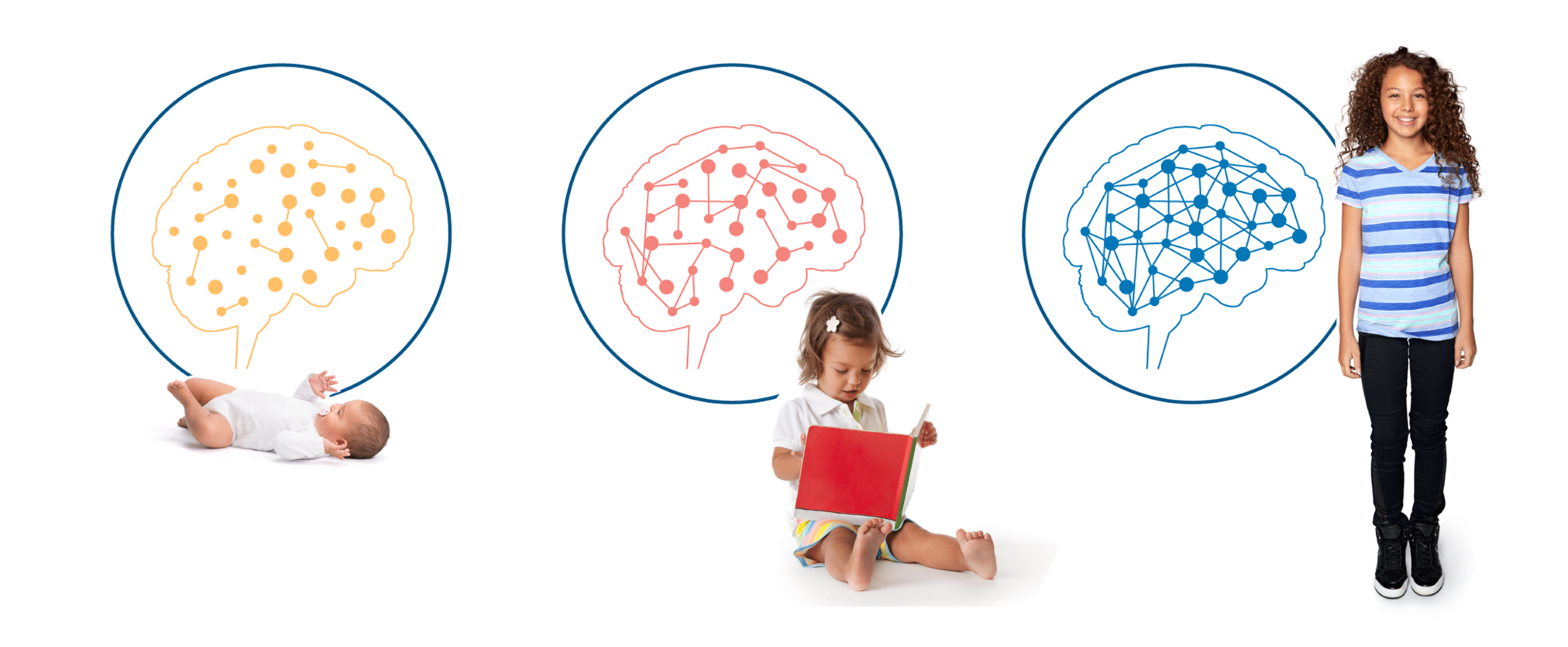
Adolescent Brain Development
During adolescence, the brain matures, but it does not mature! Until the late twenties, the brain continues to mature. The frontal cortex (prefrontal cortex) is one of the last areas of the brain to mature. Problem-solving, impulse control, and planning are all controlled by the frontal lobe. Because this field is still in its early stages, youngsters are more inclined to take risks without contemplating the consequences.
Teens require more sleep than children and adults
Your adolescent most likely requires more sleep! Teenagers, according to Psychology Today, require 8-10 hours of sleep per night to function well.
Melatonin levels in teenagers rise at night and diminish during the day. That explains why teenagers stay up late and have difficulty getting out of bed! This sleep is essential for the teen brain to function correctly!
Adolescent Brain Resilience
For most people, adolescence is a difficult and vulnerable time. They help adolescents grow into more resilient adults. Changes in the brain during this period protect children from long-term mental health difficulties.
Teenage Brains are Ready for New Challenges
According to Harvard University, the adolescent brain is better at learning from and adjusting to circumstances. The teenage brain’s plasticity allows people to learn, adapt, and change in reaction to their circumstances.
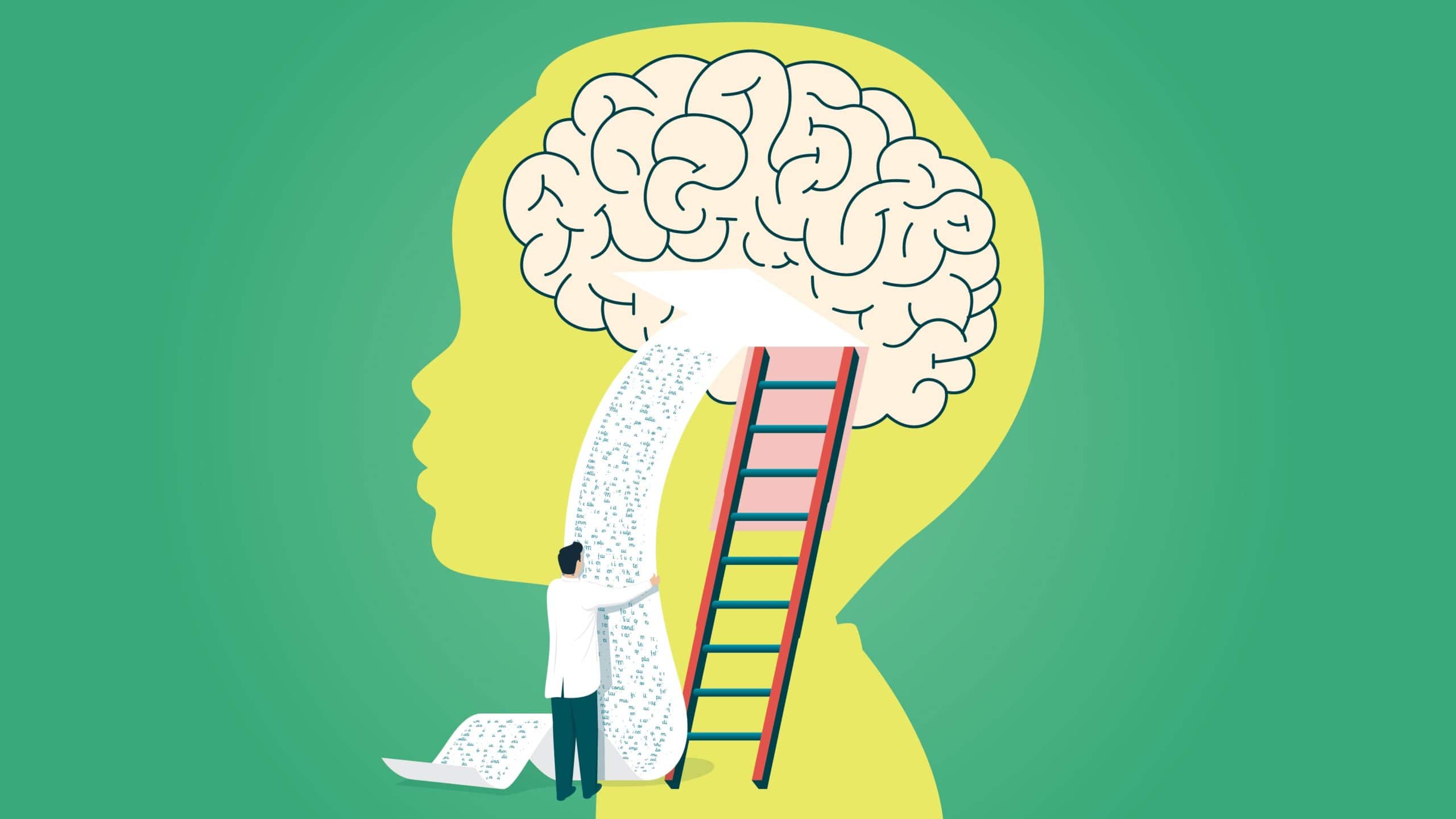
Certain Teens May Struggle with Their Mental Health
As a teenager’s brain ages and evolves, so do his or her physical, mental, and social needs. As a result, individuals may be predisposed to mental health problems. In actuality, 7 out of 10 youngsters suffer from mental illnesses.